5 Steps to Buying a Home in Warrensburg, Missouri
Buying your first home feels overwhelming. You're staring at mortgage calculators at 2 a.m. second-guessing every number, wondering if you're about to make a catastrophic mistake. If you're moving to Warrensburg or PCSing to Whiteman Air Force Base, that anxiety doubles because you're navigating an unfamiliar market in a town you barely know.
I work with first-time buyers every single week. Most of them arrive terrified they'll miss something critical or get taken advantage of. Here's what I tell them: my job is to walk you through this process so thoroughly that when you PCS to your next duty station or move to another state, you'll know immediately if your new agent is doing their job or not. You should feel smarter than your agent by the time we're done.
This guide covers the entire home buying process from the first question you ask yourself to the moment you get your keys. We're talking pre-approval, inspections, appraisals, underwriting, final walkthroughs, and all the small details people forget until it's too late. Whether you're headed to Warrensburg, Knob Noster, or anywhere near Whiteman Air Force Base, this is what you need to know before you buy.
Table of Contents
- Warrensburg, Missouri
- Knob Noster: Another Option for Military Families
- Step 1: Ask Yourself the Right Questions Before You Start
- Step 2: Get Pre-Approved with a Local Lender
- Step 3: Home Inspections Are Non-Negotiable
- Step 4: The Appraisal and Underwriting Process
- Step 5: Final Walkthrough and Closing Day
- Which Warrensburg Area Is Right for You?
- Conclusion
Warrensburg, Missouri
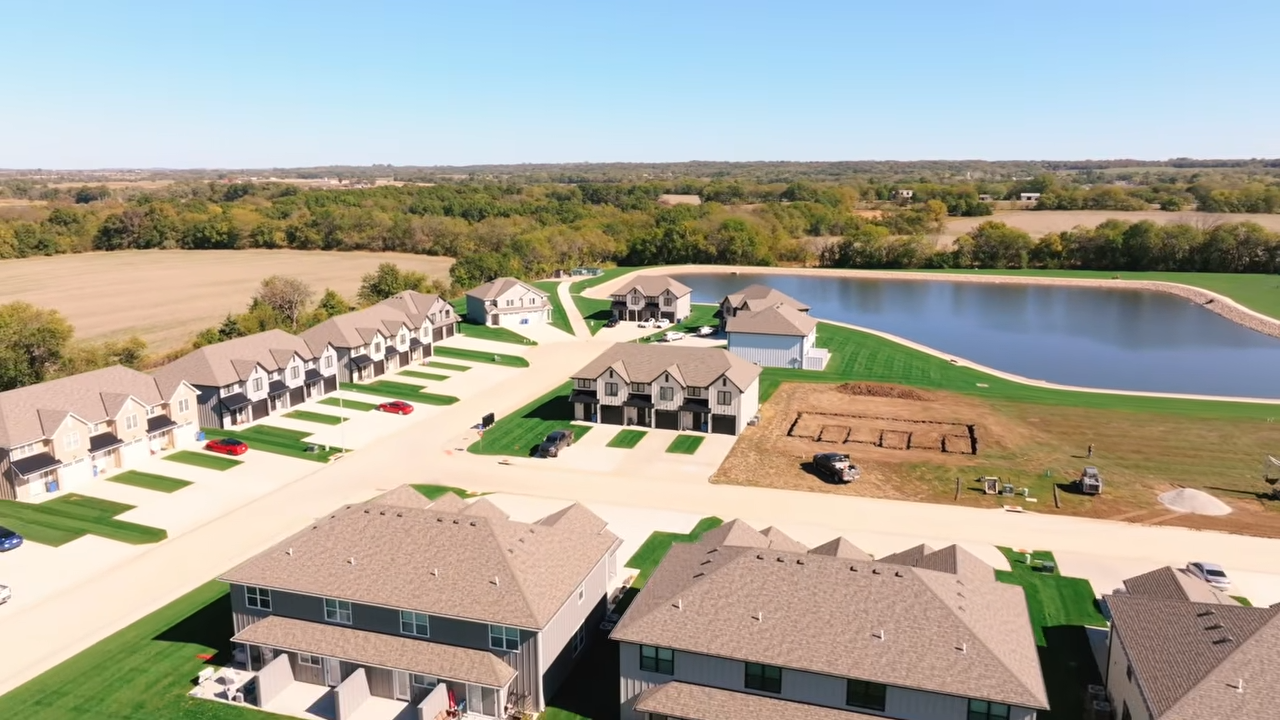
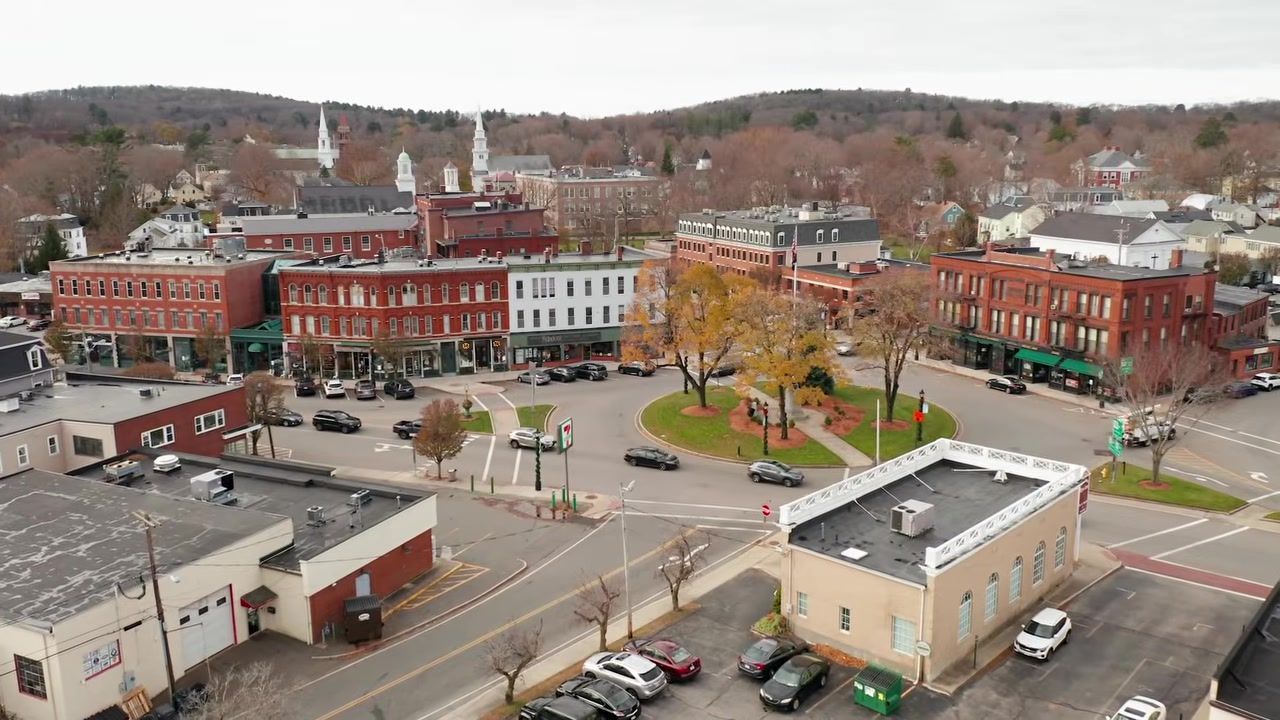
Warrensburg is the primary destination for military families PCSing to Whiteman Air Force Base. It's close to base, has the infrastructure to support frequent moves, and the local real estate community understands military timelines and VA loans inside and out.
One of the biggest advantages of buying here is access to local lenders who actually know the agents in town. I'm not talking about big box lenders where you're a tiny cog in a massive machine. I mean lenders you can walk into their office, sit down, and say, "Let's figure this out." When there's an issue, I can plop my butt down in their office instead of being on hold for 30 minutes with someone who doesn't even know your file. That personal connection matters when you're trying to close on time before your report date.
Local lenders also have more flexibility with mortgage rates and terms than the big national companies. You're helping them pay their mortgage and feed their kids, so they have a vested interest in making your deal work. They're used to working with the agents in town, they're comfortable calling us directly with questions, and they understand the quirks of the Warrensburg market.
Expect to pay between $400 and $800 for a home inspection depending on the square footage of the house. Appraisals typically run $500 to $600. These are out-of-pocket costs you need to budget for even if your agent wraps your closing costs into the loan. The inspection is non-negotiable. Even on new construction, you need someone with unbiased eyes to pick that house apart so you know what needs to be fixed before closing or what you need to plan for in the next five to ten years.
Warrensburg has the inventory, the support system, and the local expertise to make your first home purchase as smooth as possible. We specialize in working with first-time buyers here, and honestly, we love it. If you're relocating to this area, we can make that transition so much easier on you.
Knob Noster: Another Option for Military Families
Knob Noster is another solid option if you're PCSing to Whiteman Air Force Base. It's close to base, and we work throughout this area helping military families find the right home for their needs.
The same advantages apply here: local lenders who know the market, agents who understand military timelines, and a community that's used to working with first-time buyers navigating VA loans and tight closing schedules. Whether you're looking at Warrensburg or Knob Noster, the process is the same, and the local connections make all the difference.
We work anywhere in Missouri, but we specialize in the Warrensburg and Knob Noster area near Whiteman Air Force Base. If you're coming to this region, give us a call. We'd love to help you out.
Step 1: Ask Yourself the Right Questions Before You Start
Before you call a lender or start scrolling through listings, sit down and ask yourself some questions. Where do you want to live? How much do you want to spend per month? What kind of lifestyle do you have, and how does that reflect what type of home you want to buy?
Are you married? Do you have kids? If you have young kids, you probably don't want to live next to a loud karaoke bar where you can walk to restaurants at midnight. You might want a neighborhood with other families, a park within walking distance, or a good school district. If you don't have kids, maybe you don't care about the school district at all.
These are questions only you can answer. Write out your priority must-haves. Visualize the house you want and where you want it to be. Take a look at what you're paying right now for rent. That might be a really good place to start when thinking about a mortgage payment you'd be comfortable with.
Remember, your monthly housing cost isn't just your mortgage. You also have to factor in taxes, insurance, and utilities. That overall number is what you're going to be paying every month. Just because you're approved for a $500,000 house doesn't necessarily mean you want to buy one. The last thing anyone wants is to be house poor, where you can barely afford your mortgage and nothing else. You want to be able to make those upgrades and improvements you want.
Step 2: Get Pre-Approved with a Local Lender

Pre-approval sounds scarier than it is. You're going to find a local lender and enter all your information about any debts you have and any income you have. From that, they're going to give you a pre-approval amount, meaning you can buy a home up to this much.
Here's the critical part: make it very clear to that lender the payment you're comfortable making per month so they can base your approval around that. Tell them, "Hey, I'm comfortable with $2,000 a month in my mortgage." They'll work backward from there to show you what you can afford.
Local lenders have a lot more flexibility than big box lenders. With a big box lender, you're a little tiny cog in their big machine. A local lender is helping you pay his own mortgage and help his own kids, so they have more flexibility with the mortgage rate they can give you. They're also used to the agents in town. They've already worked with us, they have our cell phone numbers, and they feel comfortable calling us directly for a quick question.
If there's an issue, I can go sit down in their office and we can figure it out together. That's a lot easier than calling a company where you're on hold for 30 minutes and then you get transferred three times to someone who doesn't even know your file.
Step 3: Home Inspections Are Non-Negotiable
Home inspections are crazy important, and they're important on every type of house from a really old house to new construction. The reason they're important is because it's a really intense visual inspection of the property at the time of the inspection.
The inspector is going to go in and look at everything they can see on the property and write up a super detailed report for you of the condition of everything as far as they can tell. If there's something they can't tell or they're not sure of, they'll recommend you see a professional in that area, like a foundation expert, a sewer expert, or a septic expert.
When you're going through a house, all you're going to see is all the beauty of it and how much you love it and how exciting it is. You need someone to come in, pick it apart with unbiased eyes, and just pick it to pieces so that you know either what needs to be fixed before closing or what you need to make plans for in the next five to ten years.
Inspections in Warrensburg typically cost between $400 and $800 depending on the square footage. If you need a termite inspection, that's an add-on. Budget for at least $400 going in, and expect closer to $800 for larger homes.
The Second Round of Negotiation
I call the inspection period your second round of negotiation. After you get that inspection report, you're going to do something called an inspection notice. You have this long list of things from teeny tiny issues like a broken light bulb to bigger problems like a loose toilet or a crack in a window. You pick what's important for you to be fixed before you move into the house.
I'll tell you straight up: you're not going to get all of it. You never do. But you will get the important stuff. I always go for anything having to do with leaks, anything having to do with water, anything that will impact the foundation or cause immediate issues with the home. I also go for things that are just annoying, like a loose toilet. You just don't want to move in and have to deal with that.
We make a list of the things we're going to ask the seller to fix. We send it over to them, they chat amongst themselves, and then they either accept it or they send a response. You go back and forth until you come to a place where both people are slightly disgruntled but okay with it. No one's ever fully happy at the end of this scenario, but at least you fully understand exactly what's going to be fixed, what's not going to be fixed that you need to deal with later, and you have a good idea of money you're going to have to spend in the next five years.
Even if you don't get anything fixed during negotiation, you're going to get this incredibly important information of what needs to be fixed eventually. That list is invaluable.
Your Contingency Period
During this whole process, you have things called contingencies. One of them is the inspection contingency. If there's something that you find that's just catastrophic about the house during that inspection period, you are able to back out and get your earnest money back. It doesn't happen often. It's very rare because usually if you have a good agent, they can spot that stuff from a mile away and be like, absolutely not. But the protection is there.
Step 4: The Appraisal and Underwriting Process
After the inspection period, your next contingency is your financing contingency. Your lender is going to order something called an appraisal. If you have any kind of loan where a bank is giving you money or the government is giving you money, they want to make sure that house is worth the money they're giving you.
They hire an independent person called an appraiser who's going to go out and say this house is worth this much. The appraiser goes through really fast. They're not like a home inspector who's going to spend hours in the house. Everyone thinks they're going to be there for hours, but no, they're there for 15 minutes. They're walking through to make sure the house looks the same as it looked in pictures online, and then they go do everything else at their office. They basically compare your house to other houses that have sold for a similar amount and make sure it's worth it.

Appraisals in Warrensburg typically cost between $500 and $600. That's the last thing you're going to have to pay for out of pocket if your agent has wrapped all your closing costs into the loan.
You get the appraisal back, and boom, it says this house is worth the money. Sometimes it's worth even more, and then you have instant equity. It does very rarely happen that an appraisal comes back low. This is another reason having an agent is very important. If you have an agent, they can call something called tidewater. The appraiser will send to the listing agent, "Hey, this house appraised low," and they have 24 hours to provide comparative houses to prove that it is worth that amount. They give you a second chance.
I've had tidewater happen only very rarely. As agents, we can normally tell you up front, "Hey, this house isn't going to appraise. It's not worth it. You don't want to go down this path."
Underwriting
After the appraisal, honestly, now we're just waiting for your clear to close. All of the documents and the appraisal are sent to your lender, and it goes to something called underwriting. Not underwear. Underwriting.
I imagine underwriters, I know this isn't true, but in Harry Potter, the little goblins in the caves counting money at Gringotts Bank. That's what I think. They're all crotchety and demand more paperwork. Write a letter. Write another letter.
Basically, they're going to look through all of the paperwork in a non-goblin fashion and make sure that everything is there, that there's no extra documentation of income or anything like that they need. They're the ones who are going to check really hard to make sure that you didn't open any credit cards or do anything since this loan started.
Don't open credit cards. Don't buy a car. Don't sell a car. Don't make big payments on anything. Don't give gifts or take gifts out of the normal. Nothing. Be the most boring financial person ever during this process. Otherwise, you're going to have to write a lot of letters.
Once they give you the clear to close, that is sent to the title company. The title company has done all of this research to make sure that you are able to buy the house, meaning that house is able to be sold. It's not someone's great-great-grandmother's inheritance that hasn't been talked about. They're going to check all those things and make sure that no one's hiding anything about the house. You have a clear title, and they can say this house is yours. It doesn't belong to some divorced person's ex.
Step 5: Final Walkthrough and Closing Day
The day before, the night before, the morning of, whatever works, but within 24 hours of closing, your realtor is going to schedule a final walkthrough. That's where you go through and make sure that everything in that inspection report that you agreed on has been done. You also make sure everything they said they were going to leave is there, and everything they said would be gone is gone.
That's a big thing because I have walked through a house and been like, this house is full of just junk. People will just leave a piano in the middle of the living room. Someone come get this piano. This piano has to be gone or we're not signing tomorrow.

The final walkthrough makes sure that the house is in the condition it's supposed to be in when you buy it. Another important part is you might want to just go around and check things because the house has been vacant for, at that point, most likely like 30 days or something. Make sure they didn't leave water running or something like that. All those things you can check in that final walkthrough. Final walkthroughs are very important.
Turn Your Utilities On
Make sure that you turn your utilities on. Everyone forgets to turn their utilities on, then they get their keys and they walk in their house and turn on the lights. And there's no lights. I actually set up multiple text reminders like a week prior, two days prior, the morning of.
It's very easy. You just switch them into your name. But if they get turned off, it's going to take a couple days and you're going to have to pay a fee, and that sucks. You're going to be sad because you want to move and you can't because there's no water or power. No Netflix. You can't watch this on YouTube because you forgot to turn on your internet.
Make sure that you have your utilities turned on the day that you close. Very important.
Signing and Funding
The lender sends all the paperwork to the title company. Your agent schedules a time for you to go in and sign your paperwork. The lender wires the money to purchase your property. And wham bam, thank you ma'am, you now have a house.
Which Warrensburg Area Is Right for You?
Both Warrensburg and Knob Noster serve military families relocating to Whiteman Air Force Base. The process is identical in both areas, and the advantages are the same: local lenders who understand military timelines, agents who specialize in first-time buyers, and a community that knows how to work with VA loans.
The choice between the two comes down to personal preference and what's available when you're house hunting. Both areas have the infrastructure to support your move, and both give you access to the same local expertise that makes buying your first home less stressful.
If you're coming to this region, reach out. We work anywhere in Missouri, but we specialize in the Warrensburg and Knob Noster area. We'd love to help you find the right home.
Conclusion
That's the whole process of buying a house. Now you have a house.
I know a lot of first-time home buyers are really nervous about the process, so we wanted to walk through the whole thing so you know what to expect. From asking yourself the right questions to getting pre-approved with a local lender, from the inspection period and your second round of negotiation to the appraisal and underwriting, from the final walkthrough to turning on your utilities, you now know every step.
If you're coming to Warrensburg, Knob Noster, or really anywhere in Missouri, give us a call. We'd love to help you out. My job is to make sure that when you move to your next duty station, you know if your new agent is doing their job or not. You should feel smarter than your agent by the time we're done.
Ready to start your home search in Warrensburg or near Whiteman Air Force Base? Let's talk. We can walk you through the process, connect you with local lenders who actually know the market, and make sure you're confident every step of the way.
FAQ
How much should I budget for inspections and appraisals in Warrensburg?
Expect to pay between $400 and $800 for a home inspection depending on the square footage of the house. Appraisals typically cost between $500 and $600. These are out-of-pocket costs even if your agent wraps your closing costs into the loan. If you need a termite inspection, that's an additional fee.
Why should I use a local lender instead of a big bank?
Local lenders in Warrensburg have more flexibility with mortgage rates and terms than big box lenders. They know the agents in town, they're comfortable calling us directly with questions, and if there's an issue, I can sit down in their office and we can figure it out together. You're not a tiny cog in a massive machine. You're helping them pay their mortgage, so they have a vested interest in making your deal work.
What happens if the appraisal comes back low?
It's very rare, but if an appraisal comes back low, your agent can call something called tidewater. The appraiser will notify the listing agent that the house appraised low, and they have 24 hours to provide comparable houses to prove it's worth the agreed-upon price. As agents, we can usually tell you up front if a house isn't going to appraise so you don't waste your time.
What should I look for during the final walkthrough?
Make sure everything in the inspection report that you agreed on has been fixed. Check that everything the seller said they would leave is there and everything they said would be gone is gone. Walk around and check for issues since the house has likely been vacant for 30 days. Make sure no one left water running or created any new problems. The final walkthrough is your last chance to catch issues before you sign.
Can I back out after the inspection if I find something catastrophic?
Yes. During the inspection contingency period, if you find something catastrophic about the house, you can back out and get your earnest money back. It doesn't happen often because a good agent can usually spot major issues before you even make an offer, but the protection is there.
What should I avoid doing during the underwriting process?
Don't open credit cards. Don't buy a car. Don't sell a car. Don't make big payments on anything. Don't give gifts or take gifts out of the normal. Be the most boring financial person ever during this process. Underwriters check really hard to make sure you didn't change your financial situation since the loan started. If you do any of those things, you're going to have to write a lot of letters explaining yourself, and it could delay or kill your loan.

Eva Norton
Your trusted real estate partner, specializing in a comprehensive range of services from family relocations to high-return investment properties, is here to guide you every step of the way. As a top-producing agent in Warrensburg, MO, I take pride in my track record of excellence, having earned the prestigious “Elite Agent” title for three consecutive years with REAL Broker LLC.
660.628.2793

LATEST VIDEO